

2mm mirror glass
How to Change a Main Water Valve Changing a main water valve may seem like a daunting task, but with the right tools and instructions, it can be accomplished by a homeowner with basic plumbing knowledge. The main water valve is essential for controlling the water supply to your entire house, making it crucial to ensure it is functioning properly. Here’s a step-by-step guide on how to change your main water valve safely and effectively. Tools and Materials Needed Before starting the process, ensure you have the following tools and materials 1. Pipe Wrench For loosening and tightening connections. 2. Adjustable Wrench Useful for securing fittings. 3. Screwdrivers Both flathead and Phillips for any screws present. 4. Teflon Tape For sealing threaded connections. 5. Basin Wrench If the valve is in a tight location. 6. Replacement Valve Ensure you have the correct size and type based on your current valve. 7. Bucket To catch any residual water when you remove the old valve. 8. Safety Goggles and Gloves For protection during the process. Step 1 Locate the Main Water Valve The first step is to locate your main water valve. It is typically found near where the water line enters your home, often in the basement, crawl space, or on an exterior wall. The valve may look like a round wheel or a lever. Familiarizing yourself with its location is important, as you will need to turn it off before replacing it. Step 2 Turn Off the Water Supply Once you’ve found the valve, turn it off by rotating it clockwise. If it’s a lever valve, simply turn the lever perpendicular to the piping. This action will stop the flow of water into your home. To verify that the water is off, turn on a faucet in the house and ensure that there is no water flow. Step 3 Drain the Pipes After shutting off the main water valve, it’s necessary to drain any remaining water from the pipes. Open the lowest faucet in your home to allow air into the system, which will help drain the remaining water out. Placing a bucket underneath the valve can help catch any water that spills during the removal process. how to change main water valve Step 4 Remove the Old Valve Using the pipe wrench, begin loosening the nuts that secure the main water valve to the pipes. If the valve is rusty or stuck, you may need to apply penetrating oil and allow it to sit for a while before attempting to loosen it again. Be careful to hold the pipe securely to avoid damaging it. Once the nuts are loosened, remove the old valve completely. Step 5 Install the New Valve Before installing the new valve, wrap the threaded ends of the pipe with Teflon tape. This will help create a watertight seal and prevent leaks. Next, position the new valve in place and hand-tighten the nuts to secure it. After ensuring it's correctly aligned, use the adjustable wrench to further tighten the connection. Be cautious not to overtighten, as this can damage the valve or pipes. Step 6 Turn the Water Supply Back On Once the new valve is securely in place, return to the main water valve and turn it back on by rotating it counterclockwise or moving the lever back to its original position. After turning it on, check for leaks around the new valve and the connections. If you notice any leaking, you may need to tighten the connections slightly. Step 7 Test the System With the new valve installed and no leaks detected, test the system by turning on several faucets throughout your home. This will help you ensure that the water is flowing correctly and that there are no air pockets. If the water pressure is inconsistent or if you note any issues, you may need to further troubleshoot your plumbing system. Conclusion Changing a main water valve can be a straightforward task if you approach it methodically and with the right tools. Regular maintenance of your plumbing system, including the main water valve, can prevent significant issues down the line. If at any point you feel unsure or encounter difficulties, consider consulting a professional plumber to ensure the work is completed safely and effectively. Remember, taking proactive steps can save you time and money in the long run.
about
2mm mirror glass
The Snap-On Dial Indicator Precision Measurement in Engineering In the realm of engineering and manufacturing, precision is not just a luxury; it is a necessity. Accurate measurements can mean the difference between a successful project and costly errors. One tool that has become synonymous with precision measurement is the Snap-On dial indicator. This remarkable instrument has a long-standing reputation for reliability and accuracy, making it a staple in workshops and manufacturing facilities worldwide. Understanding the Dial Indicator A dial indicator, often referred to as a dial gauge, is a measuring instrument used to measure small distances or the variations in surfaces. It consists of a display dial with a needle that indicates measurements, a probe that contacts the object being measured, and a body that supports these components. Snap-On, a leader in high-quality automotive and industrial tools, has perfected the design and functionality of the dial indicator. The Snap-On dial indicator features a crystal-clear face that presents measurements in an easily readable format. Most models use either metric or imperial units, depending on the user’s preference. The device is designed for ease of use; it often includes a zero-setting feature that allows the operator to calibrate the tool quickly before use, ensuring precise readings. Applications in Engineering The applications of Snap-On dial indicators are vast and varied. In manufacturing, they are commonly used to inspect parts for accuracy and alignment. Whether checking the flatness of a surface, measuring the depth of a bore, or ensuring that component parts fit together snugly, the dial indicator provides accurate, repeatable results. In automotive applications, the Snap-On dial indicator plays a critical role in engine rebuilding and alignment tasks. Technicians use the dial indicator to check for runout on brake rotors and wheels, ensuring that all parts are functioning optimally and safely. Misalignments can lead to mechanical failures or unsafe driving conditions; hence, the precision offered by this tool is invaluable. snap on dial indicator Durability and Reliability One of the standout features of Snap-On tools, including their dial indicators, is their durability. Made from high-quality materials, these instruments are designed to withstand the rigors of daily use in industrial environments. The robust construction ensures that they remain accurate over long periods, making them a wise investment for professionals who require tools they can trust. Moreover, Snap-On offers a range of models to cater to different needs. From standard dial indicators to those with advanced features like digital readouts, users can find a model that fits their specific requirements. This adaptability makes Snap-On dial indicators suitable for both professional and DIY users. Calibration and Maintenance To maintain the accuracy of a Snap-On dial indicator, routine calibration is essential. Regular checks should be made to ensure that the tool is zeroed correctly. Cleaning the indicator after use, particularly the contact point, will prevent dirt and debris from affecting the readings. Snap-On provides detailed user manuals that include maintenance guidelines, which are critical for keeping the tool in top condition. Conclusion The Snap-On dial indicator stands as a testament to the importance of precision in engineering and manufacturing. Its combination of ease of use, durability, and accuracy has solidified its position among the essential tools for professionals across various fields. Whether you are a seasoned engineer or a hobbyist, investing in a Snap-On dial indicator can enhance your ability to achieve precise measurements, ensuring that your projects meet the highest standards of quality. In an age where every millimeter can count, the Snap-On dial indicator is more than just a measuring tool – it is a partner in precision engineering.
-

High quality industrial productsagement

High quality industrial products
View Details -

Meet the diverse needs of customers

Meet the diverse needs of customers
View Details -

Strict quality control

Strict quality control
View Details -

Top raw materials

Top raw materials
View Details -

Trusted supplier

Trusted supplier
View Details
Our application

news and information

Valvola di cancello a flangia da 6 pollici
Un componente essenziale nei sistemi di gestione dei fluidi industriali è la valvola a saracinesca f
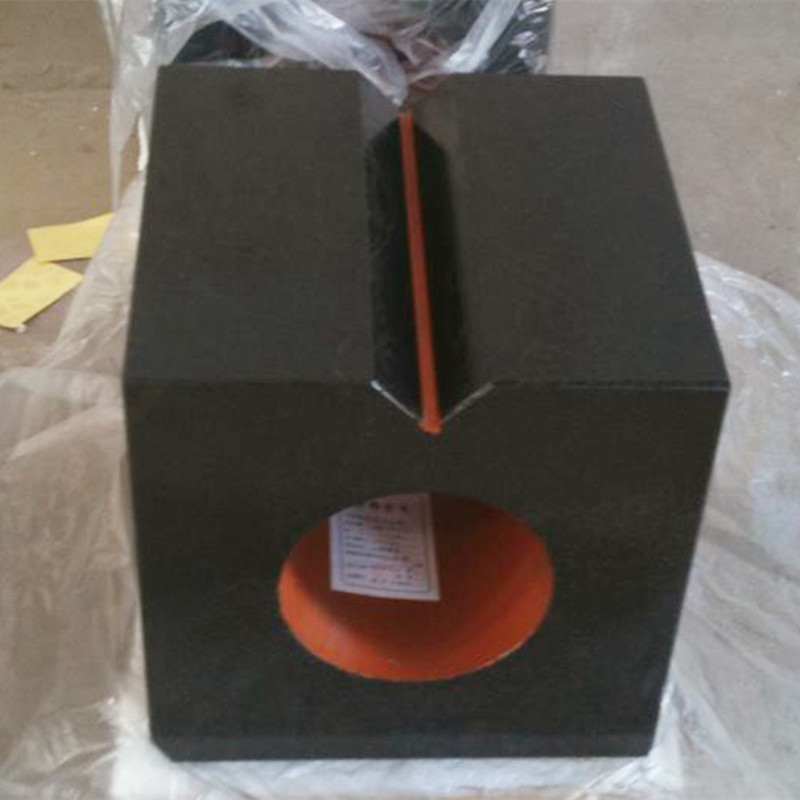
Using a Level Ruler for Accurate Measurements and Alignment in DIY Projects
The Importance of a Spirit Level Ruler in Construction and DIY Projects A spirit level ruler is an i
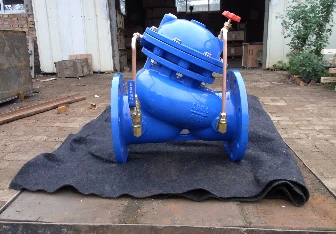
Vanne d'arrêt de 4 pouces
Vanne à Globe de 4 Pouces Caractéristiques et Applications Les vannes à globe sont des éléments ess
 English